Mahanandi

Cooking with Consciousness ~ Indi(r)a’s Recipe and Photo Journal

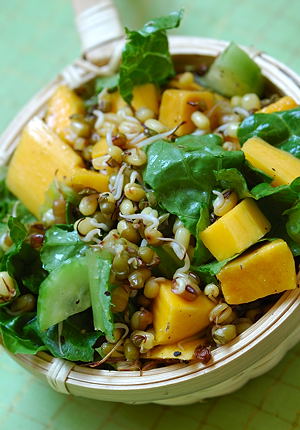
Mango Mung Kosambari


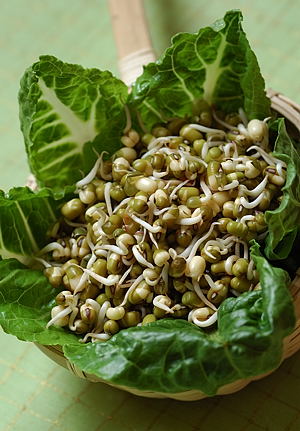
Sprouted Mung Beans and Romaine Lettuce

Kosambari with mung bean sprouts and ripe mango. All I can say is “Yum”! I love mung bean sprouts and I love mangoes. And when I can get both fresh, this is the kosambari to prepare. With a cup of rasam or sambhar on the side, this makes an excellent hot weather meal.

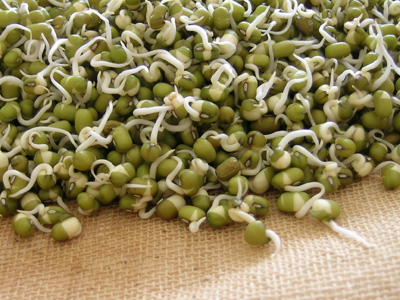
Mung bean sprouts: you can easily sprout your own. Just soak the mung beans overnight. Next morning, line a colander with muslin cloth. Drain the water and cover the beans with the cloth loosely. Keep the cloth moist, and within a day or two, you see the growth. Rinse and add the sprouted beans to recipes.

Mango Mung Kosambari
(for two, for one meal)

1 ripe mango - peel, cut to bite sized cubes, about a cup
Mung Sprouts - one cup, (raw is good. if you prefer, lightly sauté)
1 hand length cucumber - peel and cut to bite sized cubes, about a cup
6 fresh romaine lettuce leaves - wash, and tear or cut to small pieces

Take them all in a big bowl. Add about half cup of homemade yogurt. Also pinch of salt and black pepper. Combine gently. Serve.


Mango Mung Kosambari ~ for Morning Meal Today

Recipe source: My creation

Modern Indian Cooking~ Cookbook Review and Recipe

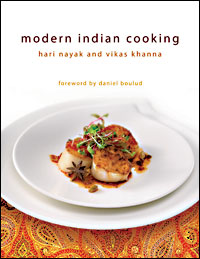
Modern Indian Cooking

You know how it is with some cookbooks. You hold it in your hands, browse through a page or two and immediately know that you are going to enjoy preparing from it. I felt that way with “Modern Indian Cooking“, written by talented chefs Hari Nayak and Vikas Khanna.

The difference between my cooking methods and my mother and grandmother generation lies in the globalization of taste. Traditional roots, but always on the lookout for some adventure that’s appropriate to the evolving palate. Chef Hari Nayak speaks such language in Modern Indian Cooking. He uses ingredients you might not normally see together, and they work. Wonton Chat, Paneer Picatta, Grilled Chicken with Kokum Compote, Konkan Chilli Prawns, Mint Puris, Semolina Crepes, Cardamom Brownies, Pink Peppercorn Chocolate Truffles - the book is filled with clean and contemporary combinations that are grounded in commonsense.

Being into the food photography and neat designs, I want to add some comments about the quality of the book. The design and layout are pleasing to the eye. Beautiful images of classic looking food against chic background fit with the theme that these are modern versions of classics. Some of the recipes have a series of small photographs that show the ingredients and the process of cooking the food. The recipe instructions are also laid out in a clear and concise manner without overcrowding the page. All and all, Modern Indian Cooking is a pleasant cookbook to have in the kitchen, and this is the first Hari Nayak’s cookbook I have added to my collection, but it won’t be the last.
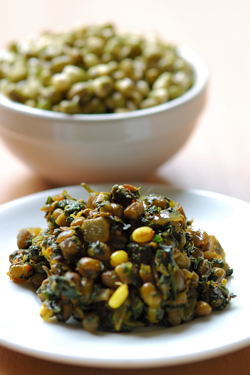

The following is a recipe from Modern Indian Cooking. Baked samosas with spinach and mung bean using phyllo pastry sheets. I’ve prepared them with sprouted mung beans for a friends get-together last weekend and they were very well received.

Samosa with Spinach and Sprouted Mung Beans
(from MIC, page 25. Makes 2-dozen samosas)

1 cup, sprouted mung beans
4 cups, finely chopped fresh spinach
½ cup, finely chopped onion
1 tablespoon cumin-red chilli powder
½ teaspoon salt or to taste
¼ teaspoon turmeric
1-teaspoon oil or ghee

Puff or Phyllo pastry sheets
(mine was from Trader Joe’s-artisan brand.)

Filling: Heat oil in a wide skillet. Add onion and sauté to pale red. Add sprouted mung beans and spinach. Cover the skillet and steam-cook. Spinach supplies moisture, and it would take about 10-15 minutes for the sprouted mung bean to become tender-soft. At this stage, sprinkle turmeric, salt and masala powder. Mix and continue cooking for another five minutes or so. Turn off the heat, and wait for the curry to reach room temperature (cool).

Samosa Wrap: Meanwhile takeout the puff pastry sheet from the freezer. Wait until they reach from stiff, cardboard like to firm but pliable condition. Place the sheet on a lightly floured work surface and evenly roll out to thin. With a sharp knife, cut the sheet to equal looking 2 x 2 inch squares. Place a teaspoon of spinach curry in each square. Quickly fold the right corner over the filling to the left side and press the edges to make a triangle. Repeat until all are done.

Bake: Place the samosas on the baking sheet. Bake at 350 F. After about 10 minutes of baking time, turn to opposite side. Bake for another 5-10 minutes, until crisp and golden. Serve warm with tamarind-date chutney or ketchup.
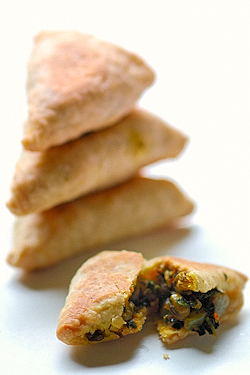
Baked Samosas
Baked Samosas with Spinach and Sprouted Mung Beans

Notes:
Available for purchase at Amazon, Powell’s
Book Cover is taken from Harinayak.com for review purpose.
Recommend this book to your local library.

~ Indira
Mooga-Gaathi with Moong Bean Sprouts

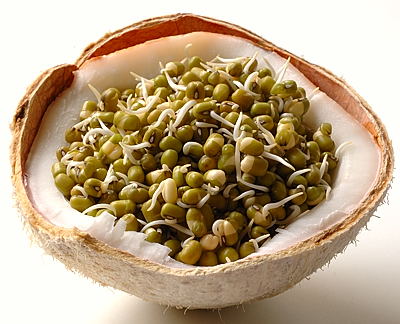
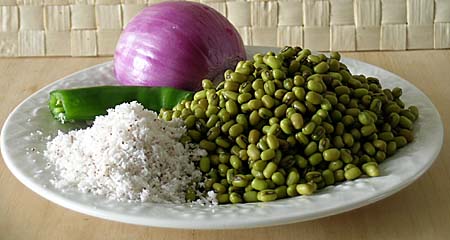
Sprouted Moong Dal and Fresh, Tender Coconut
Fresh, Tender Coconut and Moong Beans, Sprouted at Home

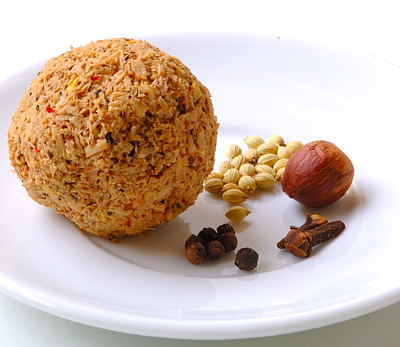
Mooga-Gaathi, a traditional Goan-Konkani recipe with sprouted moong beans and fresh coconut may sound like another unassuming moong dal preparation. But you would be delighted to find out the appetite-arousing attitude of this homey, gentle sounding dish. All thanks to spices - nutmeg, cloves, coriander and peppercorn.

The recipe is from my friend Veena Parrikar’s kitchen. I made small changes here and there to the original to suit my taste. Easy to prepare, minimum work, no cutting or slicing things, and satisfying results. A perfect autumn recipe and a must try for sprouted moong bean fans. I totally recommend.


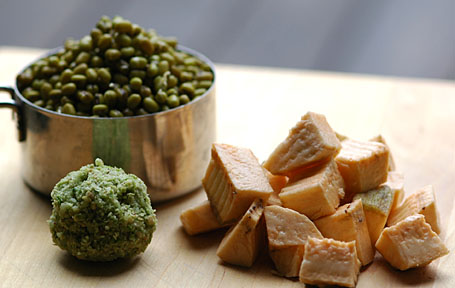
a Round of Ground Coconut and Spices - Black Peppercorn, Cloves, Nutmeg and Coriander Seeds

Recipe:
(for two, for two meals)

Sprouted moong(mung) beans - 4 cups
Fresh coconut gratings - 2 tablespoons
Spices:
Nutmeg - a small piece
Cloves - 3
Coriander seeds - 1 teaspoon
Black Peppercorn - ¼ teaspoon
Dried red chillies - 2
Tamarind pulp - 2 teaspoons
Turmeric - ¼ teaspoon
Salt - ½ teaspoon or to taste
For popu or tadka:
1 tablespoon ghee or oil
8 curry leaves
¼ teaspoon each - cumin, mustard seeds and asafoetida

1. Place a wide pot on stove-top and heat.
Add and dry-roast the nutmeg, cloves, coriander seeds, black pepper and dried red chillies to fragrance. Remove them to a mixer. Add fresh coconut and grind to smooth paste. For easy blending, you could also add about half cup water.

2. In the same pot, take sprouted moong beans. Add about 2 to 3 cups of water and stir in salt. Cover and cook. When moong beans reach required level of tenderness, add the ground-spice paste, tamarind and turmeric. (I also added a tablespoon of jaggery.) Mix well and simmer on medium heat.

3. While the moong is simmering, do the popu or tadka. In a small skillet, heat oil until a curry leaf tossed in it sizzles. Add and toast curry leaves to pale gold. Next goes the cumin, mustard seeds and asafoetida. Wait for the mustard seeds to splutter. And, immediately add the skillet contents to simmering moong dal. Mix, reduce heat and simmer for another five to ten minutes to blend the flavors.

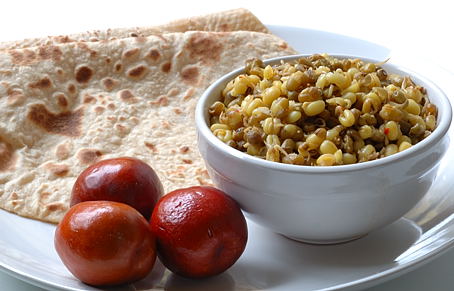
Serve or spoon into a small bowl and enjoy with rice or chapatis.


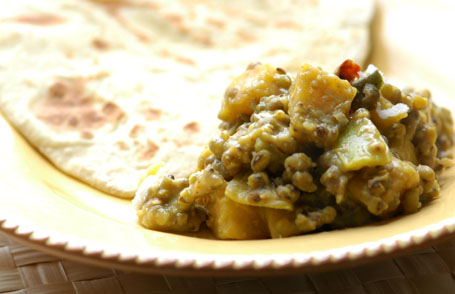
Mooga-Gaathi with Chapatis and Jujebe Fruits (Gangiregi Pandlu) ~ Meal on a Autumn Day

Notes:
The original recipe did not have cumin seeds in tadka/popu. They are not used in gaathi.
How to sprout Moong Beans: Soak moong beans in water overnight. Next morning, drain into a muslin covered colander. Cover the beans with cloth, and keep the colander in a warm area. Sprinke water occasionally to keep the cloth moist. Within a day, you start seeing the sprouts. Wait for next morning. There you go, you have your own homemade sprouts ready for Mooga-Gaathi.

Sautéed Sprouts ~ Moong, Moth & Red Chori


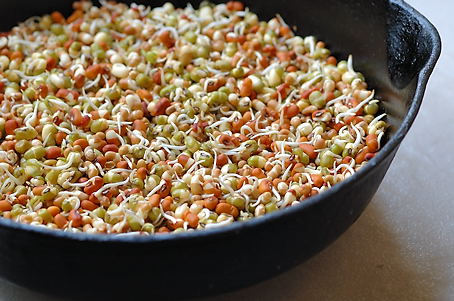
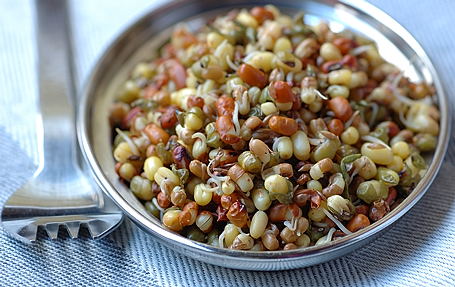
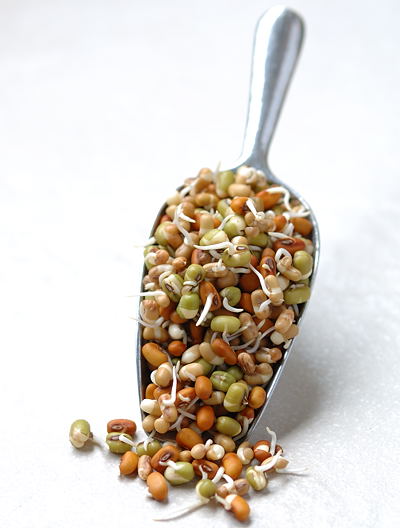
Tiranga Sprouts: Moong, Moth and Red Chori Bean Sprouts

Sprouts for breakfast is still a solution for early morning hunger in Bharat’s many “long-life” rural villages, where they are considered essential to good health and longevity. One of the few people in the world to start off the day with sprouts, Bharatiya - the old world kind, point to the fact that sprouts are quick and easy to prepare. For our grandparents, the hearty ruchi of filling sprouts was as appetizing as that of bagel and bread for many of our generation. Even today, my grandparents and in-laws start the day with sprouts. Their explanation is that sprouts offer abundant nourishment, stamina and energy that last all morning. It is also well known fact that sprouts aid to digestion and assimilation.

Among all legume and lentil sprouts, the moong beans make the popular choice. Mellow and subtly sweet, freshly sprouted moong beans are easy to like and easy to digest. Equally good are moth (Matki) and red chori bean sprouts. Together, in three vibrant colors, the Tiranga sprouts make a very satisfying snack or meal.

Vijay and I, we both are big fans of Tiranga sprouts. Vijay goes for raw; I on the other hand prefer when they are lightly sautéed and sprinkled with salt and pepper. The oil-less sautéing imparts a heartwarming sweet aroma and makes them an irresistible kind of snack for me.


Sautéing the Sprouts in an Iron Skillet

Method:

Half cup each - freshly sprouted moong, moth and red chori beans
Half teaspoon each - salt and pepper
Iron Skillet and 5 minutes of your time

Heat an iron skillet or kadai on medium flame.
Place the sprouted beans.
Saute them continuously mixing for about five minutes.
Turn off the heat, when they are still soft yet crunchy.
(Avoid prolonged saute. It makes them extremely crispy, which in turn would cause hard dental workout and we don’t want that.)
Sprinkle salt and pepper. Mix and serve hot.
Lemon juice, finely chopped onions etc can be added if desired.


Sautéed Sprouts with Salt and Pepper ~ An Heartwarming Snack

Notes:
Tirangā – तिरंगा (Hindi) = Tri Color (English)
Moong, Moth and Red Chori beans are available in Indian grocery.

Ruchira ~ Cookbook Review and Recipe Sprouted Beans Usal


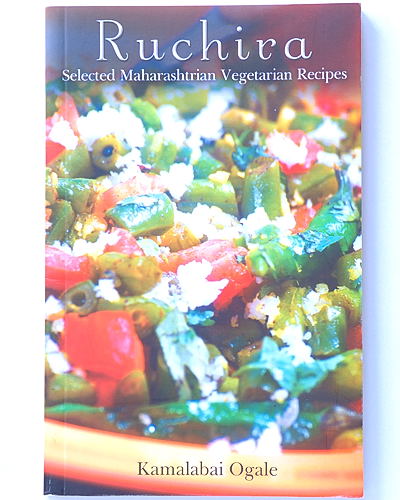
Ruchira by Kamalabai Ogale

“Ruchira ~ Selected Maharashtrian Vegetarian Recipes” by Kamalabai Ogale is a sweet little cookbook that I have been using for just over a year. The cookbook is an English translation of 25-year old original by the same name “Ruchira” in Marathi language.

Ruchira is chock full of honest content. A total of 94 recipes in 11 categories, nearly all recipes are within reach of competent home cooks. Many recipes are quite simple to prepare, the instructions are easy to follow and the rewards are great. The difference is not in the dishes offered, but in the ingredients and how the Marathas use them. The text should be read first to get a feel for the Maharashtrian cooking. Then head for the kitchen to cook one of the divine recipes. Next to going to Maratha heartland, Ruchira offers a great way to treat ourselves to cooking real Marathi way.

If you are looking for a book that will teach you to cook the best Maharashtrian food, then I will definitely recommend Ruchira. It’s a precious little gem!


Sprouted Moong, Moth and Red Chori Beans

“Sprouted Beans Usal” from Ruchira cookbook has become one of my favorite recipes. What makes this recipe standout from our own Nandyala style moog bean curry recipe is the addition of kala masala, and jaggery. Subtly spiced and well balanced, I’ve become a loyal fan of sprouted beans usal.

Recipe:

Grind to Paste:
5 peeled garlic cloves, 8-10 green chillies (small, Indian type), 1 teaspoon cumin and two to four tablespoons of grated fresh coconut.

Heat and Simmer:
Heat a teaspoon of oil in a big saucepan.
Add one cup each - moong, moth and red chori sprouted beans.
Add about three cups of water.
Cover and simmer the beans, until they reach fall-apart stage.

Add and Mix:
To the cooked beans, add the ground paste.
Also a tablespoon each- kala masala and powdered jaggery and
Half teaspoon each - turmeric and salt.
Mix and simmer another five minutes.
If the Usal(curry) looks too dry, add about half cup of water.

Popu or Tadka Touch:
While the beans are simmering with spices, do the tadka in a small pan.
Heat a teaspoon of oil in a pan. Add and toast few fresh curry leaves, pinch of cumin, mustard seeds and asafetida. (This technique is called popu or tadka.)
Add the tadka to the sprouted beans. Mix and turnoff the heat.
Sprouted beans usal tastes great with chapatis/rotis/parathas.


Sprouted Beans Usal with Paratha ~ From Maratha Heartland to Our Home
My Entry to RCI~Maharashtra hosted by Nupur of One Hot Stove

Notes:
Thanks for this lovely gift Veena!
I’ve prepared Kala Masala following the recipe outlined here.
Ruchira Available at Aggarwaloverseas.com
Recommend “Ruchira” to local libraries.

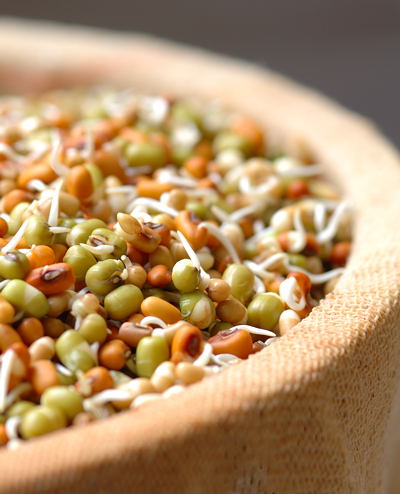
Moong, Moth and Red Chori Bean Sprouts

Series of Sprouts ~ Tiranga Sprouts


Moong Beans, Moth Beans and Red Chori Beans ~ for This Week’s Indian Kitchen

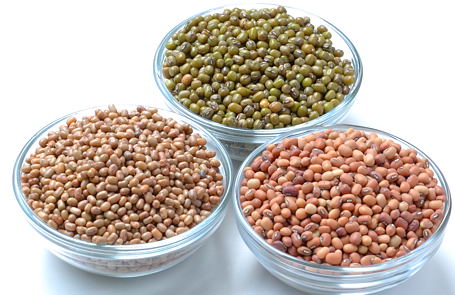
Moong Beans - Green colored beans
Moth Beans - Brown colored beans. Available in Indian stores.
Red Chori Beans - Reddish-brown colored beans, smaller than adzuki (chori) and Rajma beans. Available in Indian stores (packet label - “Red or Desi Chori”).

Moong, moth and red chori - three beans, three different colors, but they are similar in size and almost in taste. Very fast and reliable sprouters, they produce delightful looking sprouts that taste mellow and crisply sweet. Consumed raw, curried or dal’ed, the sprouts of moong-moth-red chori combination make a perfect meal any time of the day.


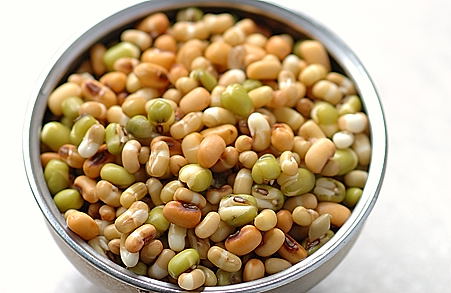
Moong, Moth and Red Chori ~ After a Day of Soaking in Water

Soak moong, moth and red chori beans in water overnight.
Drain and gather them in a loosely woven cotton cloth.
Tie a knot and hang the cloth at a kitchen window or warm area in the house.
Keep the cloth moist by spraying water at regular intervals.
Because they are similar in size, the sprouts make an appearance at the same time, usually within a day.
When the sprouts grow to the size of beans, remove and enjoy raw or curried.


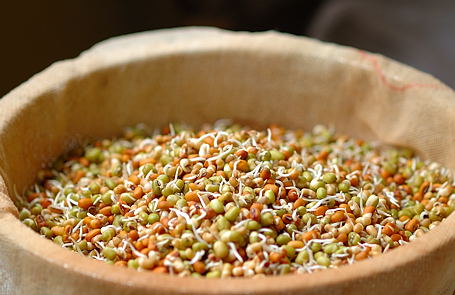
Moong, Moth and Red Chori Sprouts ~ To Start the Day off Mellow

Moongdal Aamti with Kokum & Goda Masala

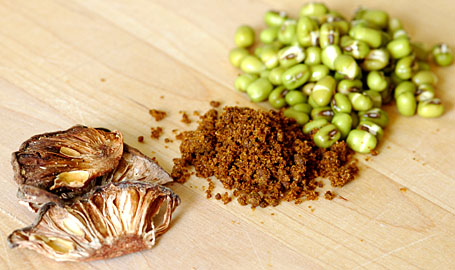
I have two authentic ingredients from coastal Maharashtra - kokum and goda masala.

Native to western coastal region of India, Kokum is a dried fruit of dark purple color and prized for its piquant taste, often used as substitute for tamarind. Goda (Kala) masala is a special spice mixture, has well over 15 Indian spices in it including some unique spices like dagad phool, naag keshar, badal phool etc. Adding even a pinch of it gives dals and curries an unforgettable taste. When I wanted to cook something Maharashtrian using both these ingredients, my good friend Veena Parrikar kindly sent me an authentic Maharashtrian lentil recipe called aamti with moong dal where both goda masala and kokum are used for seasoning.

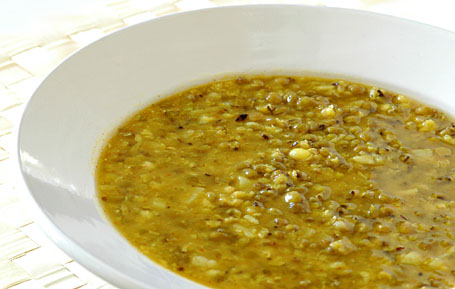
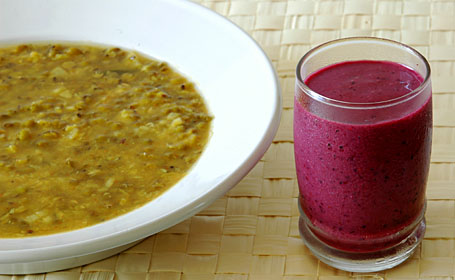
I am one of those people who think that everything tastes delicious, as long as it has lentils in it and this recipe is no exception. It was easy to prepare and has an exceptional taste. We had it like thick soup without rice, along with mixed berry smoothie - light lunch on a hot summer day.


Kokum, Goda Masala, Whole Moong Dal

Recipe:

Whole moong dal - 2 cups (soaked in water overnight)
Goda masala - 1 teaspoon
Kokum - 5 pieces of 2 inch length
(Soaked in half cup of warm water for about 15 minutes and juice squeezed)
Garlic - 4 cloves, finely chopped
Dry grated coconut - 1 tablespoon
Cumin seeds - 1 teaspoon, powder coarsely
Red chilli powder & turmeric - ½ teaspoon each
Salt and jaggery - To taste
For popu/tadka:
Oil - 2 teaspoons
Mustard seeds, hing - ¼ teaspoon of each and few curry leaves
Chopped coriander leaves - A handful

Take soaked moong dal in a big pot. Add about 2 glasses of water and 1 teaspoon of salt. Cook covered until they are soft and falling apart. This is the prep part.

Just before mealtime, heat oil in a vessel. Do the popu/tadka - add and toast garlic pieces in oil first and then add mustard seeds, hing and curry leaves. Add the cooked moong dal along with the water it was cooked in.

Stir in the seasoning - goda masala, kokum water, coconut powder, crushed cumin, red chilli powder and turmeric. Also add salt and jaggery to taste. Stir in some water if you feel the mixture is too thick.

Bring the whole mixture to a boil. Reduce the heat and simmer for about 10 to 15 minutes covered. Add water as necessary (the aamti should not be too thick or too thin). Just before turning off the heat, stir in fresh coriander leaves and remove from heat.


Kad-Dhaanyaachi Aamti (Moongdal Aamti) and Berry Smoothie ~ Our Afternoon Meal

Recipe Source: Veena Parrikar
(Adapted from Smt. Jayashree Deshpande’s Hamkhaas Paaksiddhi’s)
Goda Masala Recipe - Page Link
Kokum is available at Indian grocery shops here in US.

Posted by Indira©Copyrighted in Moong Dal (whole) (Wednesday August 9, 2006 at 2:57 pm- permalink)
Comments (18)

Previous Page » 
 

Click here to visit VedaBooks.com Veda Books.com

Click here to enter Haldiram's Store Haldiram's Store

Click here to visit and learn from Chef and Cookbook Author Harinayak Click here to visit Harinayak.com Harinayak.com

Click to Visit Awesome Cuisine Website Awesome Cuisine

Click here to enter Indus Ladies forum Indus Ladies.com

click here to visit Supreme Spice Online Store About Supreme Spice

India Cookery, Food Stock Photography: Click to Browse, Digital Download and Print the Food Photographs Food Stock Photography

Mahanandi Selections: Shop at Amazon.com to Support Mahanandi Browse Amazon.Com

Amazon... Paypal...