Mahanandi

Cooking with Consciousness ~ Indi(r)a’s Recipe and Photo Journal

Vine Sweet Mini Peppers

Photo Purchase Keywords: Capsicum, Curry
(It takes money, time, effort and energy for food photography. Please don’t photosteal. Click on the links and purchase the photos legally to digital download and to print. Thanks.)

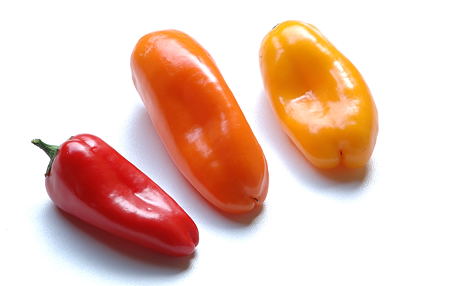
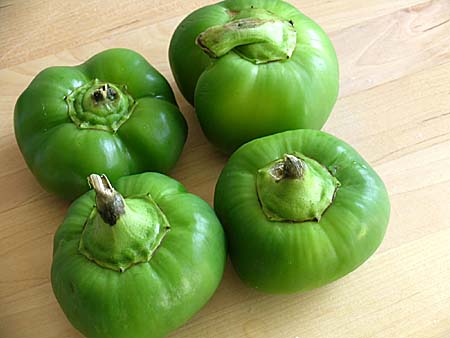
Mini Peppers

They look like peppers and they are named peppers.

They are not what you might expect. Certainly not the fiery peppers that spice up the curries, nor the bloated bell peppers that would collapse on cooking.

No, these peppers are the stuff of dreams. Like the botox-faced on-air talent, they glisten and also need PIN codes to access their emotions. A product of calculated hybrid breeding, they do not shrivel, sweat and the seeds inside rarely reproduce on Design. Other charming features - delicate skin, cooks in minutes and doesn’t become saggy on cooling. A perfect, plastic produce, alive with cloying sweetness. These are the “Vine Sweet Mini Peppers“, the 21st century vegetables.

Not knowing what they were, I brought them home. Dolts they are, taste buds seem to accept them without any hesitation.

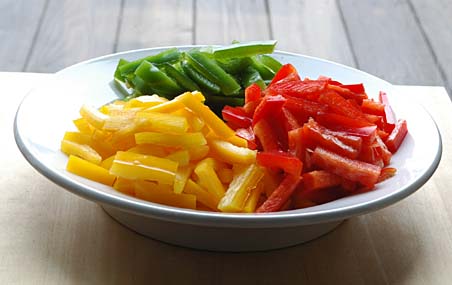
Peppers for Figure 8
Pepper in Figure 8

Recipe:

1 tablespoon peanut oil
Pinch each - cumin and mustard seeds
20 to 25 mini peppers - ends removed and sliced to thin rings

Heat oil in a wide skillet. Add and toast cumin and mustard seeds. When seeds start to pop, add the peppers. Mix. Keep the heat on medium, cover the skillet and cook for about five minutes.

While peppers are cooking, prepare the pappula (dalia) podi.

3 tablespoons pappulu (dalia, bhuna chana)
1 tablespoon grated coconut
1 teaspoon cumin
¼ teaspoon salt
2 dried red chillies, Indian variety
Take them all in a spice grinder, blend to fine powder.

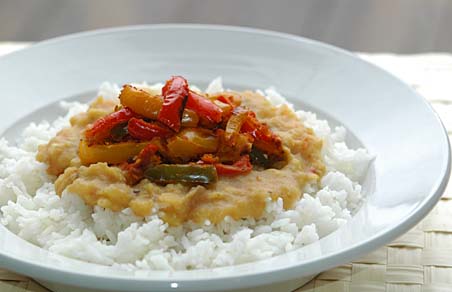
Remove the lid and sprinkle this powder on peppers. Also add quarter teaspoon each - turmeric and salt. Mix. Cook, uncovered for another five minutes. Serve at once. Tastes good with chapati, roti, rice or pasta.
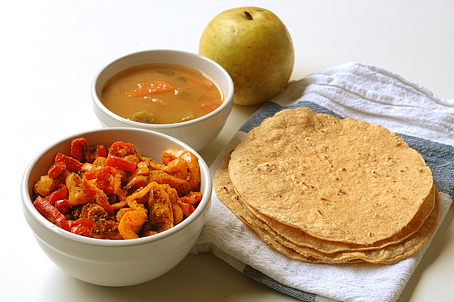
Mini Peppers Curry with Chapati
Mini Pepper Kura with Corn Rotis, Carrot-Okra Sambar and Pear ~ Meal Today

~ Indira
Posted by Indira©Copyrighted in Chana Dal-Roasted (Dalia), Peppers (Tuesday February 19, 2008 at 4:48 pm- permalink)
Comments (2)

Teepi Gummadi Kura for Sankranthi

(Pumpkin Subzi with Winter Melon from Nandyala)

Photo Purchase Keywords: Pumpkin, Subzi
(It takes money, time, effort and energy for food photography. Please don’t photosteal. Click on the links and purchase the photos legally to digital download and to print. Thanks.)

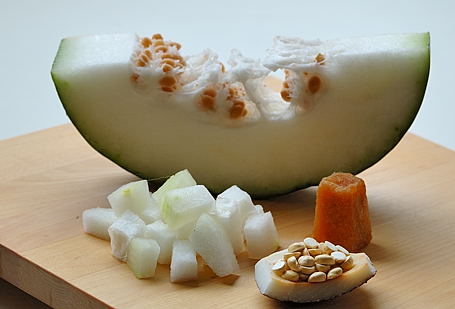
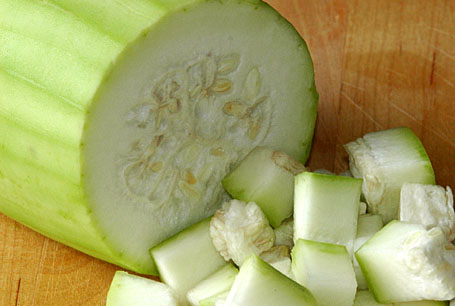
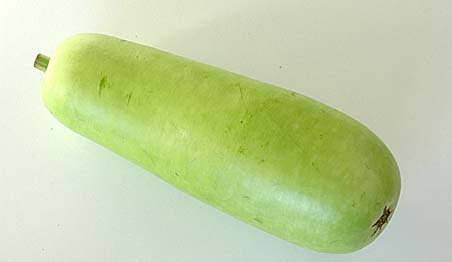
Winter melon, Ash Gourd, Gummadikaya, Gummadi

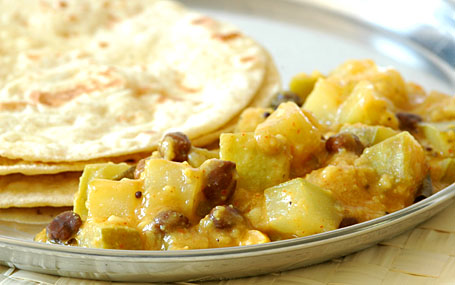
Pumpkin kura sweetened with jaggery is a Sankranthi tradition at Nandyala and in many parts of Andhra, Bharath. Pumpkin is a winter vegetable, and jaggery is made fresh from sugarcane during this season. So on Bhogi, the first day of three day festival Sankranthi, we cook these two together as part of harvest celebration. The pumpkin cubes coated with jaggery-spice mixture glisten like an early morning Sunshine on wintry day in this curry. Usually we serve it with Sajja Rotte (Millet Roti) on Bhogi.

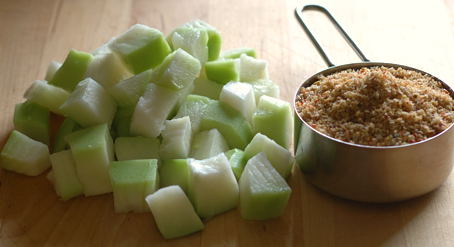
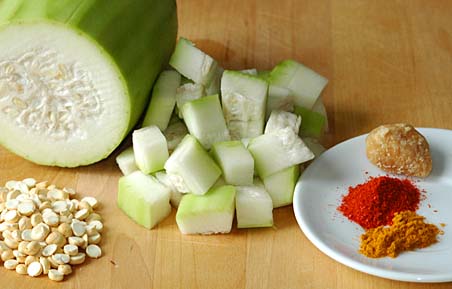
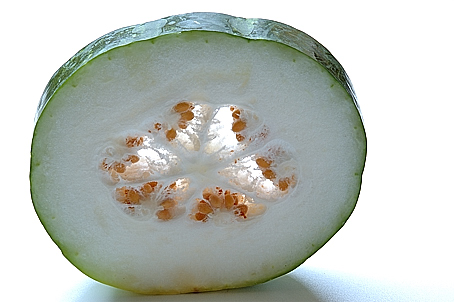
The white fleshed pumpkin is called boodida gummadi in Telugu. Here in US, it is sold as ash gourd or winter melon, often cut into small portions like shown in the image. Winter melon tastes like cucumber, mildly sweet and no smell whatsoever. If this variety is available in your area, do try this recipe. Sweet, aromatic and with ruchi, this curry is a hearwarming wintry delight and a must try for winter-melon fans.

Gummadi, Winter Melon, Ash Gourd, Kaddu
Winter Melon, Coconut, Dalia and Jaggery

Recipe:
(for two, for two meals with roti)

Boodida Gummadi (Winter melon): Peel the skin, remove the seeds and cut the white part to bite-sized cubes : 4 cups

Jaggery-spice Paste:

Dalia (putnala pappulu, Bhuna Chana) - quarter cup
Jaggery, crushed to small pieces - 3 tablespoons
Coconut, fresh or dry, grated - 1 tablespoon
Dried red chilli - 4
Coriander seeds - half teaspoon
Take them all in a mixer, blend to fine consistency.

Kura Preparation:
In a pot, heat a teaspoon of peanut oil. Add and toast a sprig of curry leaves, pinch of cumin and mustard seeds. When mustard seeds start to pop, add the pumpkin cubes. Also the jaggery-spice paste along with a glass of water. Mix. Stir in a pinch of turmeric, and salt to taste. Mix, and simmer, covered for about 15 to 20 minutes, until the pumpkin pieces cook to tender.

Serve the teepi gummadi kura with chapati, sorghum roti or sajja roti. (This curry is not that good with rice.)

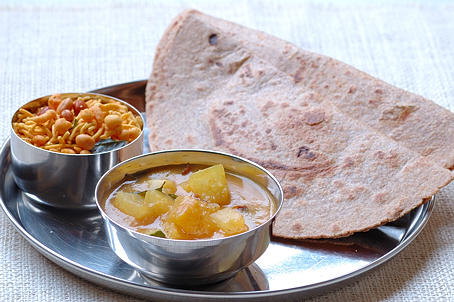
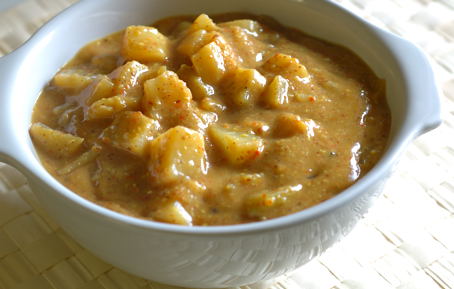
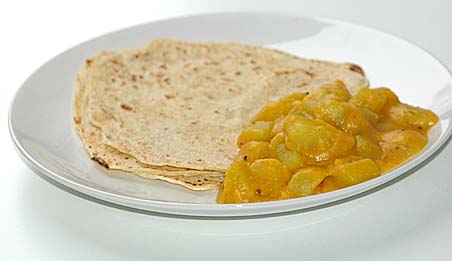
Teepi Gummadi Kura, Pumpkin Curry with Roti
Teepi Gummadi Kura with Roti, and Boondhi Mixture

Recipe Source: Amma, Nandyala
This kura is also prepared with orange pumpkin. The recipe is same except the change in pumpkin.
Kura=Curry, Teepi=Sweet, Gummadi=Pumpkin, Ruchi=Flavor (from Telugu to English)

Scrumptious Subjis : Chayote in Chilli Sauce (Bengaluru Vankaya Kurma)

Chayote in Chilli Sauce (Chayote Kurma)

Just a little color dabbed on the cheeks can do wonders to a pale, lifeless face. Same thing, small dose of vibrant chilli sauce can do wonders to otherwise bland, mild flavored chayote. Just add a dash of chilli and a pinch of spice. Sprinkle some tamarind juice and touch of tadka - here we go. Utterly lip-smacking yet not at all overblown. Impressively energetic but balanced with a persistent sweetness from chayote. Another traditional, savory and scrumptious sabji would be ready. We usually have this sabji with sorghum roti or with chapatis.

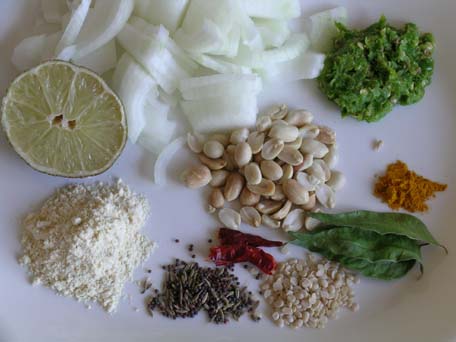
Cubed Chayote and Powdered Ingredients for Chilli Sauce

Recipe:

1 chayote - peel, slice to half, remove seed and dice to bite-sized cubes
1 onion - finely chopped

For chilli Sauce:
5 dried red chillies
2 tablespoons - dalia (pappulu, bhuna chana)
1 tablespoon - grated coconut (fresh or dried)
1 tablespoon each - powdered jaggery and tamarind juice
1 teaspoon - mustard seeds
½ teaspoon - cumin
¼ teaspoon each - salt and turmeric
Take all of the above and grind to smooth in a blender or spice grinder.

For popu or tadka:
1 tsp each - oil, minced garlic, curry leaves, dried red chilli pieces, cumin and mustard seeds

………

In a wide skillet, heat oil. Add and toast the popu or tadka ingredients in the order mentioned above.

When the mustard seeds start to dance, add onions and chayote cubes. Cook, stirring occasionally for about 5 minutes.

When the chayote starts to soften, add the powdered chilli sauce ingredients and one cup of water. Mix. Have a taste. Adjust the salt and jaggery sweetness level to your liking.

Cover and simmer for about 15 to 20 minutes until the chayote becomes tender and chilli sauce thickens and coats the spoon.

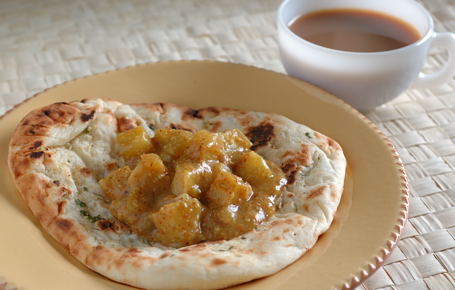
Serve warm with a cup of yogurt or tea on the side. Taste great with sorghum roti/chapati/naan. (Not that good with rice.)

Chayote Kurma with Naan and a Cup of Tea

Coriander ~ Pappula(Bhuna Chana) Chutney


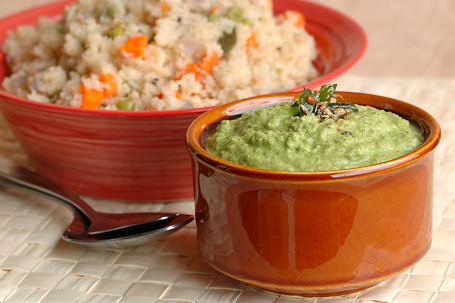
Coriander~Pappula Chutney with Upma

Just like dear Supriya (Tweety) of Bengaluru, I also prepare upma often, at least once a week for lunch or dinner. Rice and roti are good but sometimes I feel like taking a break from those two and upma usually comes to my rescue.

Upma recipe is very forgiving. We can make it as elaborate, nutritious (by adding lot of vegetables, nuts etc) or simple (just plain water and some salt) as we like. One thing the recipe does need is a pickle or chutney on the side. A meal is healthy when it’s homecooked and upma is pleasing when it’s served with chutney on the side. One such simple and easy chutney recipe that taste terrific with upma or for that matter all varieties of breakfast items is coriander-pappula (roasted chana dal) chutney.

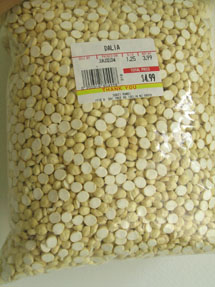
Pappulu or putnala pappulu (Telugu) are sold as ‘dalia’ in US. See this label here. I always thought the name dalia is a North Indian one, but not so says Anita of ‘A Mad Tea Party”. So now the question is who calls pappulu or bhuna chana ‘dalia’? Which Indian language is it from? Or unknown to us mere mortals, Indian grocery wholesalers have a separate language to confuse us more?:)

Edited to add:
Thank you Darshana and Madhuli for clearing the confusion. Dalia is a Gujarati word for pappulu or bhuna chana.


Pappulu (Putnala Pappulu, Dalia, Bhuna Chana, Roasted Chana Dal) and Fresh Coriander

Recipe:

1 cup of roasted chana dal (Pappulu, dalia, bhuna chana)
1 bunch of fresh coriander (cilantro, Kottimera)
8 green chillies - short, Indian variety
1 T of tamarind juice or limejuice or to taste
1 T of coconut fresh or dried (optional)
1 teaspoon of cumin
½ teaspoon of salt

Take them all in a blender, add about half glass of water and grind to smooth paste. Remove to a cup.

Do the popu or tadka:
Heat a teaspoon of peanut oil in a tadka pan. Add and toast in this order - 5 curry leaves, half teaspoon each of urad dal, then cumin and mustard seeds. When seeds start to splutter immediately add the popu to chutney. Mix and serve with breakfast items.

Sanagalu (Kala Chana, Black Chickpeas)


One Chickpea (Chana, Choleye, Sanaga) ~ Different Forms
For This Week’s Indian Kitchen

Green fresh chana - Shelled from pods (and available frozen in Indian grocery shops).

Black chickpeas (Kala Chana) - Result of green chana dried under the sun.

Chana Dal (Bengal Gram, Sanaga Pappu) - Prepared by splitting the black chickpeas and removing the brownish-black outer skins.

Roasted Chana Dal (Dalia, Pappulu) - Prepared by roasting black chickpeas in special kilns and then splitting and removing the brownish-black outer skins.

double_curve.gif

Contributions From Fellow Bloggers For Indian Kitchen Series

Kavvam (Buttermilk Churner)
Kavvam (Buttermilk Churner) ~ To “Cool Those Summers”, from Yadbhavishya

Boondhi Maker
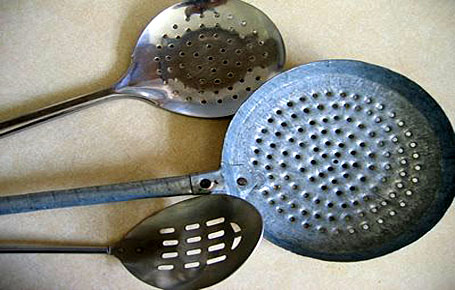
Boondhi Strainers and Makers ~ To Prepare Boondhi Laddu, from Foodnewbie

Thanks Vidyanath and Sudha for sending me these photos for Indian Kitchen series.

Bottle Gourd in Sesame (Sorakaya-Nuvvula Kura)

Few months ago, I wrote about my mother’s recipe of bottle gourd. It is a standard, no fuss kind of recipe with minimum ingredients. I like the taste of that curry and played around with the recipe little bit and came up with this one. It is also a simple no-nonsense recipe and supplies carbos (bottle gourd), protein (black chana) and fat (sesame seeds). I love the taste and also the ease with which it can be prepared.

Bottle gourd Pieces (Sorakaya, Lauki)
Bottle Gourd (Sorakaya, Dudhi) - Peeled, Cut into Cubes

Recipe:

Prep Work:
One cup of black chickpeas (kala chana) soaked in water overnight.
Half of medium-sized bottle gourd (sora kaya, dudhi), peeled and cut into half-inch pieces (about 2 cups)

Cook:
Heat a teaspoon of peanut oil. Toast a teaspoon of cumin, mustard seeds and curry leaves (for tadka).
Add the bottle gourd pieces and soaked kala chana. Saut? for few minutes on medium heat. Add about a cup of water and close the lid and cook.

Sesame-Dalia paste:
Meanwhile prepare the curry thickener. Grind in a blender:
3 tablespoons of each - sesame seeds and dalia
½ tablespoon of each - tamarind juice and powdered jaggery
1 teaspoon of each - coriander seeds (dhania), cumin and red chilli powder
½ teaspoon of salt or to taste
Grind them to smooth paste by adding about one cup of water.

Simmer:
Add the sesame-dalia paste to the curry. Stir in half teaspoon of turmeric. Mix and on medium heat, simmer for about 15 to 20 minutes, until the curry reaches the consistency you desire.
Tastes great with chapatis/naans and with sorghum rotis.

Bottle gourd curry with chapatis

Coconut Chutney (Kobbari Pacchadi)

Coconut chutney is an example of how good a raw food can taste when prepared with right ingredients. Whoever came up with this recipe, my salute to them! People remember and replicate a good recipe; no wonder, this age old recipe continues to be popular and beloved by all who tried it.

Breakfast is not a proper breakfast without coconut chutney in Southern states of India (Andhra, Tamilnadu, Karnataka and Kerala). Perfect blend of different flavors and the ease with which it can be made - coconut chutney is a great example of traditional, health conscious South Indian food and a showcase recipe for raw cuisine. See the photo below, if you find coconut chutney looking similar in an Indian restaurant along with your dosas, idlies, that’s a sure sign that you are getting a proper south Indian food.

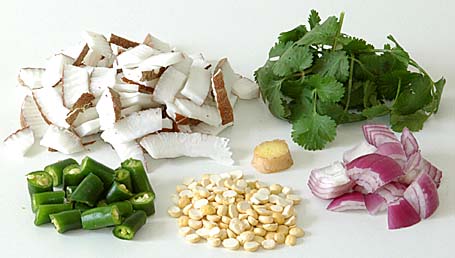
Fresh Coconut, Cilantro, Red onion, Ginger, Dalia(pappulu) and green chillies

Recipe:

1 cup of thinly sliced fresh coconut
¼ cup of pappulu(dalia, roasted chickpeas)
6 Indian small green chillies, chopped
1 tiny red onion or shallot, sliced into chunks
6 sprigs of fresh cilantro and 1/2 inch of ginger
½ tablespoon of tamarind extract
¼ tsp of salt
for popu or tadka
1 tsp each of mustard seeds, cumin, urad dal, fresh curry leaves and few pieces of dried red chilli.
extras(optional)
1 tablespoon of yogurt and one lime

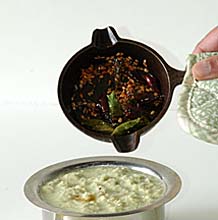
Tadka/popu is done and ready to add to the coconut chutney Final step- adding the tadka/popu to coconut chutney

Preparation:
Preparation means grinding. Taste of coconut chutney varies with grinding method. Believe it or not, different grinding tools give different taste. The best taste comes out of using a stone mortar. Closest is the machine, which grinds with a stone. Last is the food processor or the blender etc., The taste is inversely proportionate to how easily you can grind it.

In a mortar or blender, combine all the ingredients (coconut, pappulu, onion, green chillies, cilantro, ginger, tamarind extract and salt). Add half to one cup of water and grind them until the ingredients are pureed. Transfer the mixture to a cup.

In a small pan, add half teaspoon of peanut oil, add the popu ingredients, sauté them until they start to splutter. Remove the pan from heat and add this popu to the pureed coconut mixture in the cup. Stir in little bit of yogurt now (our family variation). The chutney is ready. Just before serving, squeeze few drops of limejuice.

Traditionally coconut chutney is served with dosa, idly, vada, upma, utappam, pesarattu and pongal, as a part of morning breakfast.

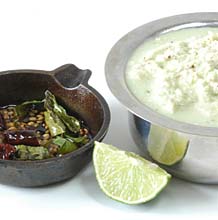
Coconut chutney with popu/tadka just added
Coconut Chutney ~ South Indian Style

Note to reader: I use, tiny red onion or shallot (Indian onion, small baby onion) for this chutney. Either one is preferable than white/yellow onions (US). Red onion/shallots are less harsh in flavor when raw and don’t overpower the chutney with their bitterness.

Recipe source: Family- Amma & Attamma(mother and mil)
For several variations of this recipe, read the comments.

Previous Page » 
 

Click here to visit VedaBooks.com Veda Books.com

Click here to enter Haldiram's Store Haldiram's Store

Click here to visit and learn from Chef and Cookbook Author Harinayak Click here to visit Harinayak.com Harinayak.com

Click to Visit Awesome Cuisine Website Awesome Cuisine

Click here to enter Indus Ladies forum Indus Ladies.com

click here to visit Supreme Spice Online Store About Supreme Spice

India Cookery, Food Stock Photography: Click to Browse, Digital Download and Print the Food Photographs Food Stock Photography

Mahanandi Selections: Shop at Amazon.com to Support Mahanandi Browse Amazon.Com

Amazon... Paypal...